
Drayage rates are what you pay to move a container the short distance between a port or rail terminal and your warehouse, and back again once it is empty. As a Canadian freight forwarding company, Cargopedia treats drayage as part of the ocean move rather than an afterthought, because it is where free time runs out and extra charges start. Our ocean freight services plan the pickup, delivery and empty return before the vessel arrives.
The short answer: a drayage quote is built from a base rate per container for the distance or zone, a fuel surcharge, and extras for chassis time, waiting, weight, storage and special cargo. The base move is only part of the bill. For importers in Ontario the pickup point is usually a rail terminal in the GTA rather than a seaport, and in Vancouver the trucking itself is regulated by the province.
This table compares the main parts of a drayage invoice and how to keep each one down.
| Charge | What it covers | How it is billed | How to control it |
|---|---|---|---|
| Base drayage move | Terminal to your dock and empty back to the depot | Per container, by zone or distance | Confirm the empty return depot before quoting |
| Fuel surcharge | Diesel cost above a base price | Percentage of the base move | Compare all-in quotes, not base rates |
| Chassis days | Chassis left at your site under a loaded or empty box | Per chassis per day | Unload live, or ground the container |
| Waiting time | Driver time beyond the free unload window | Per hour or part hour | Have dock, labour and forklift ready |
| Pre-pull and yard storage | Pulling the box early and holding it in a yard | Extra move plus daily storage | Use it only when it beats terminal storage and demurrage |
| Heavy or special equipment | Tri-axle chassis, dangerous goods, reefer power | Flat surcharge per move | Declare weight and cargo type at booking |
How drayage rates are built
Container drayage rates are almost always quoted per box, not per kilogram. The base move assumes one round trip: the driver collects the loaded container at the terminal, delivers it to your address, and returns the empty to the shipping line’s depot. That last leg matters more than many importers expect. The empty return depot is set by the shipping line, not by the trucker, and it may be on the other side of the city from your warehouse, which adds kilometres and time to the move.
Carriers price the base move by zone or by distance from the terminal. A delivery a short drive from the rail yard costs less than one at the edge of the region, and moves outside the local area, such as a container going from the GTA to Ottawa or from Montreal into Ontario, are priced as long-haul drayage. Fuel surcharge is added as a percentage and changes with diesel prices, so a quote that is a few weeks old may no longer be accurate.
The delivery method changes the price too. In a live unload, the driver waits while your team empties the container and takes the empty away in the same trip. In a drop and pick, the container is left on a chassis at your site and collected later, which means two truck visits and chassis days. Grounding takes the container off the chassis entirely, which avoids chassis charges but needs a lift at both ends. Exports run the same way in reverse: an empty is positioned for loading, and the loaded box must reach the terminal before the rail or vessel cut-off.
Drayage cost in Toronto and rail terminal free time
Most ocean containers bound for the GTA arrive by rail, not by ship. They are discharged at Halifax, Montreal, Saint John, Vancouver or Prince Rupert and railed inland, then collected at terminals such as CN’s Brampton Intermodal Terminal, CN Malport, or CPKC’s Vaughan Intermodal Terminal. Drayage cost in Toronto is therefore driven by the distance from those rail yards, not from a port, and by how quickly a container can be collected once it is available.
The clock starts when the box is grounded at the rail terminal. The railway allows a short free period, then charges storage per day, with rates that step up the longer the container stays. At the same time, the shipping line’s own free time is running, and once it ends, demurrage and later detention are billed by the line. A container that is not customs-released on arrival usually cannot leave the terminal, so a late release can cost more in storage than the drayage move itself. Our guide to demurrage and detention charges explains how the two clocks work.
Timing at the delivery end matters just as much. Warehouses with booked receiving slots can refuse a container that arrives outside its window, and a failed delivery usually means a second trip or a night in the trucker’s yard. The cheapest Toronto drayage moves are the ones where customs release, the terminal pickup, the delivery appointment and the empty return are lined up before the train arrives.
Vancouver drayage rates and regulated container trucking
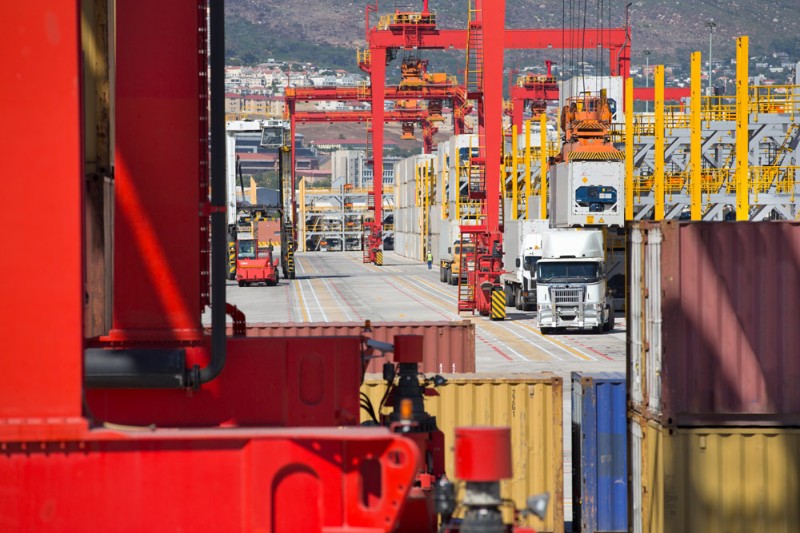
Container trucking in the Lower Mainland works under rules that do not exist in Ontario. Trucks serving the port’s container terminals must be licensed through the Vancouver Fraser Port Authority’s Truck Licensing System, and the Office of the BC Container Trucking Commissioner sets minimum rates that licensed trucking companies must pay their drivers.
The Commissioner’s rate order that took effect on July 1, 2026 sets minimum hourly pay of CAD 34.56 for company drivers, rising to CAD 36.03 after 2,340 hours of container trucking work. Independent operators paid by the hour must receive at least CAD 73.04, or CAD 75.05 above the same threshold, because they supply the truck. Independent operators paid by the trip are covered by on-dock and off-dock trip rates set by origin and destination zone across the region, from Richmond and Delta to Port Kells, Langley and Abbotsford, plus a positioning payment per trip, and a fuel surcharge set monthly from the Vancouver diesel price is added on top.
For shippers, these rules put a floor under port trucking cost in Vancouver. The rate a customer pays has to cover regulated driver pay, fuel and the trucking company’s own costs, so very low quotes on port moves deserve questions. Zones also make pricing more predictable: moving a box from Deltaport to a warehouse in Surrey or Langley is priced by the zones involved, and longer runs into the Fraser Valley cost more. Containers loaded straight onto rail at the port for Ontario usually avoid BC drayage entirely and meet their first truck at a GTA terminal.
Chassis, overweight and other container delivery charges
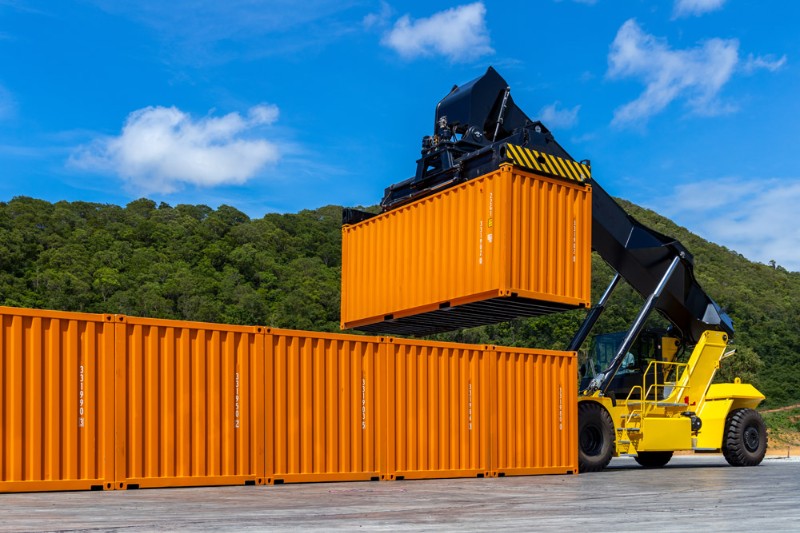
Most extra charges on a drayage invoice relate to equipment and time. A container travels on a chassis, and when the container is dropped at your site, the chassis stays with it. Chassis days are billed until the empty is collected, so a container that takes three days to unload carries three days of chassis charges on top of the move. Grounding the box removes the chassis cost but needs a site with room and a lift to set it down and pick it up.
Weight is the next factor. Heavy 20-foot containers, common for stone, steel, paper and bagged goods, often need a tri-axle or quad-axle chassis to keep the truck within Ontario’s axle weight limits. That equipment costs more and is not always available at short notice, so the cargo weight must be on the booking. An undeclared heavy container can be refused at the terminal gate, which turns into a dry run charge and a lost day of free time.
Waiting time applies when a live unload runs past the free window, usually a couple of hours, and is then billed by the hour. Pre-pull adds an extra move and daily yard storage when the container is collected before your dock is ready, which is worth paying when it avoids rail storage and demurrage. Dangerous goods containers need drivers trained under the Transportation of Dangerous Goods Regulations and placarded trucks, and reefer containers may need power at the terminal or during a yard stay. Each of these is a separate line, so declare them at booking rather than on the day.
How to lower container drayage rates
The biggest savings come from planning, not negotiating the base rate. Clear customs before the container reaches the terminal, so the box can be collected on the first available day. Confirm the empty return depot and the line’s free time when the booking is made. Book the delivery appointment with the warehouse before the train arrives, and make sure the dock, labour and forklift are ready for a live unload.
Choose the delivery method for each shipment rather than by habit. A live unload is cheapest when the dock is free and the cargo is palletized. A floor-loaded container full of cartons can take several hours to unload by hand, which may make a drop and pick, or transloading at a warehouse near the terminal, the better option. Transloading onto pallets also lets freight be delivered to several addresses by truck, while the empty goes back the same day.
Look at drayage as part of the full landed cost. Ocean freight, terminal charges, customs and inland trucking all interact, and a cheap ocean rate can be undone by a routing that lands the box far from your warehouse. Our guide to ocean freight costs for Canadian importers covers the rest of the chain.
Drayage is short in distance but long on details, and most of its cost is decided before the container reaches Canada. Send us the container details, cargo weight, delivery address and receiving hours, and we will plan and price the move from the terminal to your dock and back to the empty depot, within your free time.